Sustainability
Reducing Food Waste: FreshLab’s Role in the EU Green Deal
Lan Tschirky · · 3 min read
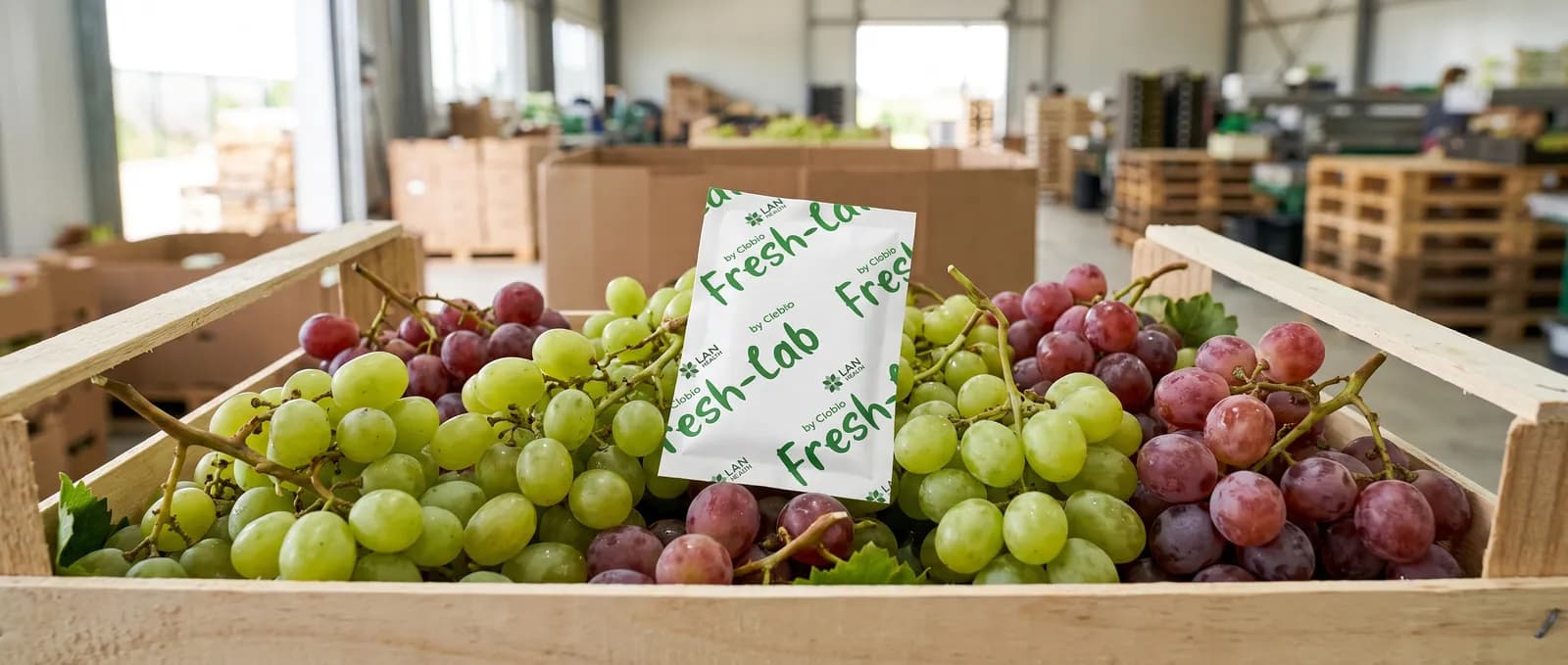
The European Union has committed to halving food waste by 2030 as part of the Green Deal and Sustainable Development Goal 12.3. Fruits and vegetables are among the biggest contributors, with 20–27% wasted across the supply chain.
The Scale of the Problem
Globally, more than 900 million tonnes of food are wasted every year, creating a massive environmental burden. When food decomposes, it releases methane, a greenhouse gas far more potent than CO₂, directly worsening climate change.
Reducing food waste is therefore not only a food system challenge, but a climate priority.
FreshLab’s Impact
FreshLab addresses waste at its source by extending produce shelf life up to 30 days using a natural biotech sachet.
- No chemicals
- No electricity
- Works from households to industrial supply chains
By slowing spoilage across storage, transport, and retail, FreshLab prevents waste before it happens.
Alignment With EU Policy
FreshLab directly supports the objectives of the EU Green Deal and SDG 12.3, which targets a 50% reduction in food waste by 2030.
- Planned local production in Italy to reduce transport emissions
- Ongoing trials aligned with EFSA approval processes
- Designed for easy adoption across EU markets
FreshLab enables measurable waste reduction without changing consumer behavior or infrastructure.
Join the Sustainability Shift
Reducing food waste is one of the fastest ways to cut emissions and protect resources.
Share this article
Related Articles
All Posts →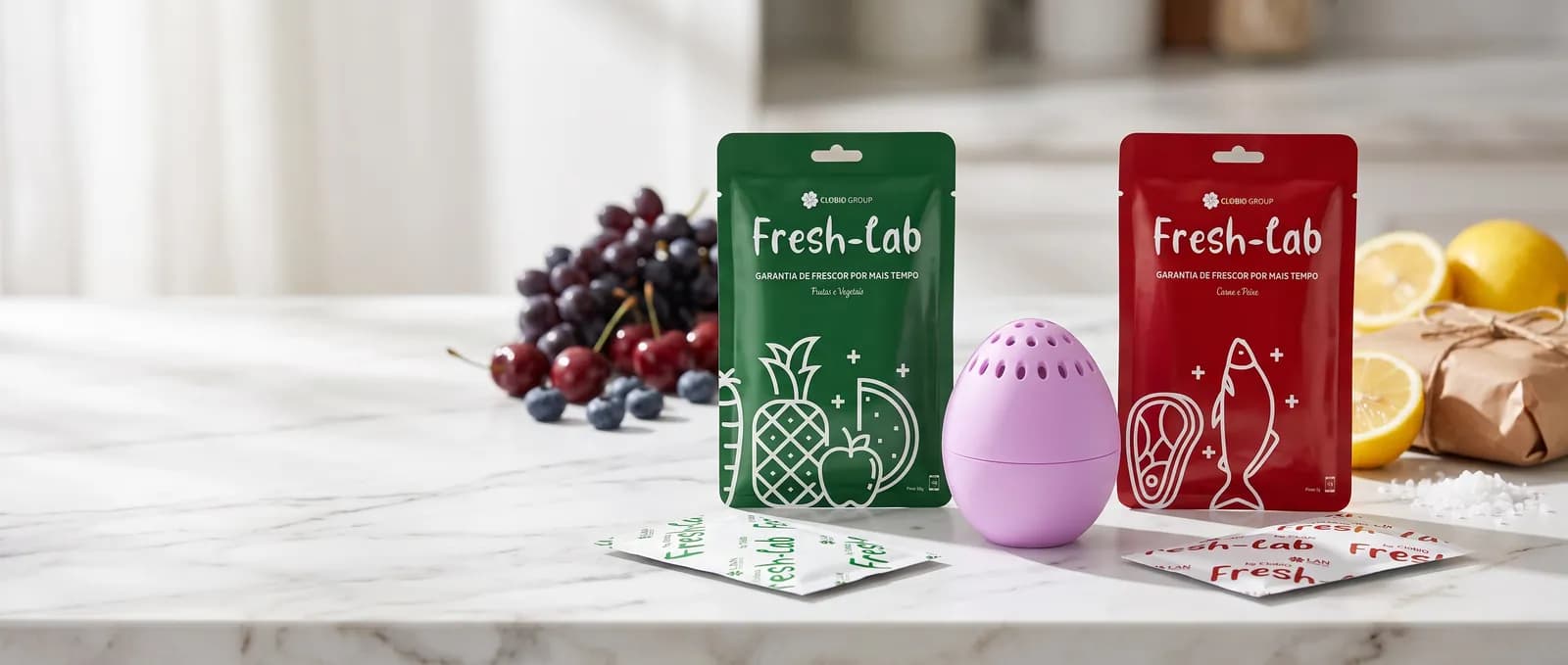
Products
FreshLab Product Formats: Pick the Right One for Your Needs
Fresh-Egg, Fresh-Pouch, or Fresh-Fan. Same biotech core, different formats designed for homes, transport, and industrial storage.

Sustainability
The 11-Day Rose Journey: Natural Flower Preservation Across Continents
One FreshLab sachet kept Ecuadorian roses garden-fresh through 11 days of international transport, proving natural preservation works in real-world logistics.
Technology
How FreshLab Tackles the Root Causes of Food Spoilage
Bacteria, mold, ethylene, moisture: FreshLab simultaneously combats all four main spoilage causes with breakthrough biotech—no chemicals, no electricity.