How One Sachet Kept Ecuadorian Roses Garden-Fresh for 11 Days Across Three Continents
A bunch of roses began its journey in the high-altitude fields of Ecuador, where some of the world's finest flowers are grown. Eleven days later, after passing through four cities across three countries, those same roses remained as fresh as the day they were cut—thanks to a single FreshLab sachet tucked among the stems.
This wasn't a controlled laboratory experiment. It was a real-world test of whether FreshLab's preservation technology could survive the chaos of international flower transport: cargo holds, customs procedures, temperature fluctuations, and the inevitable handling that comes with moving perishable goods across continents.
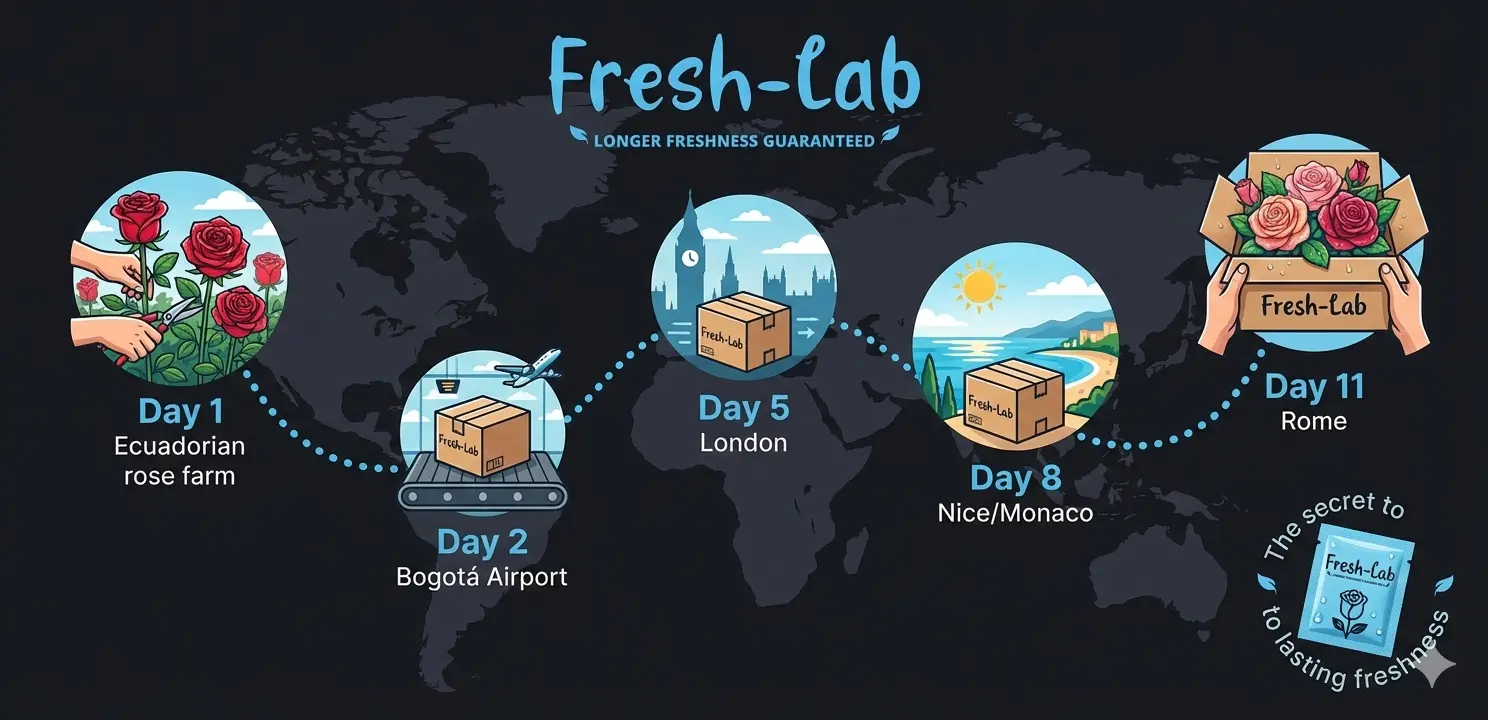
The Route: From Ecuador's Rose Farms to European Markets
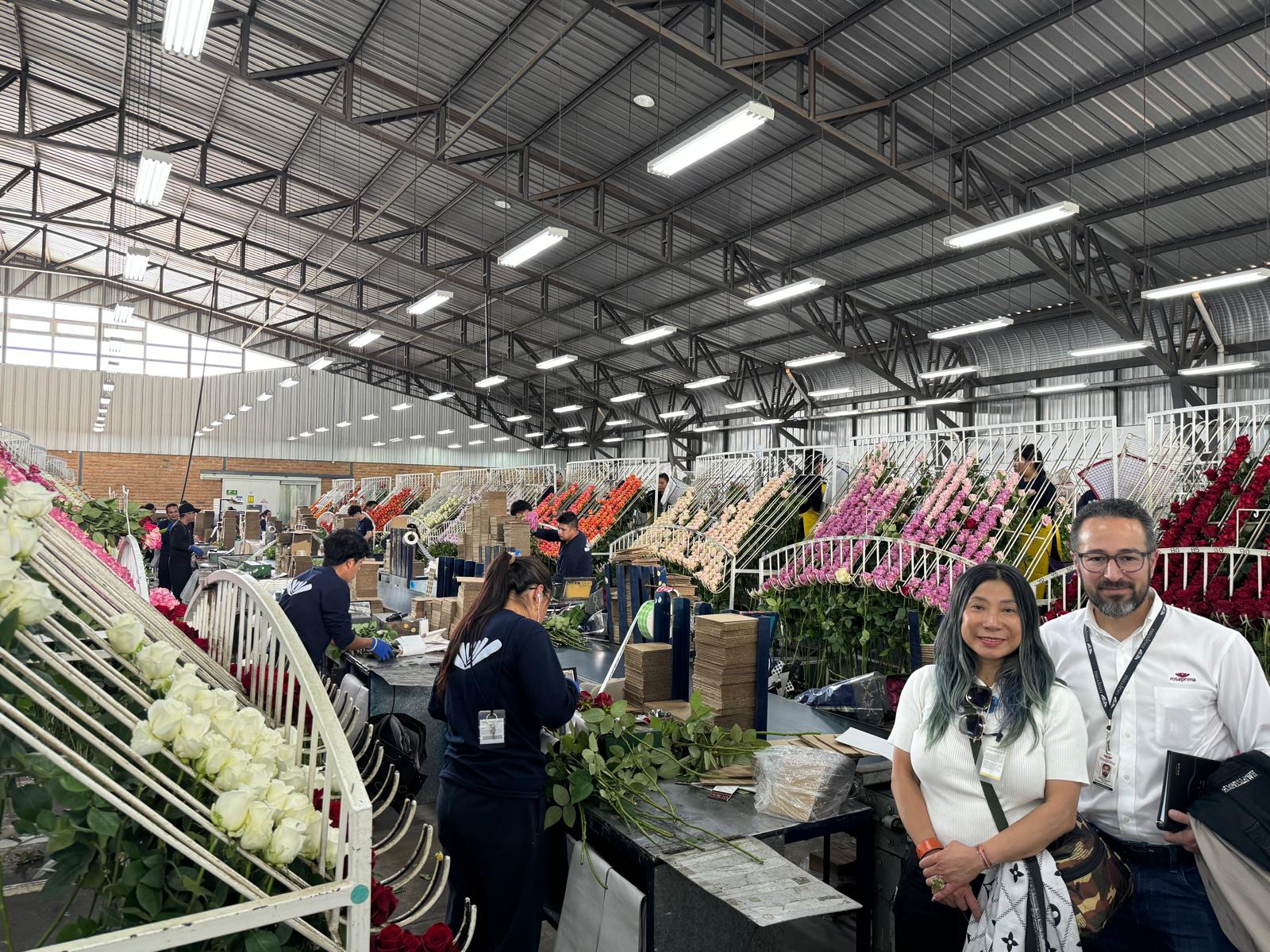
The journey began at one of Ecuador's largest rose farms, where premium roses destined for European markets are cut, bundled, and prepared for export.
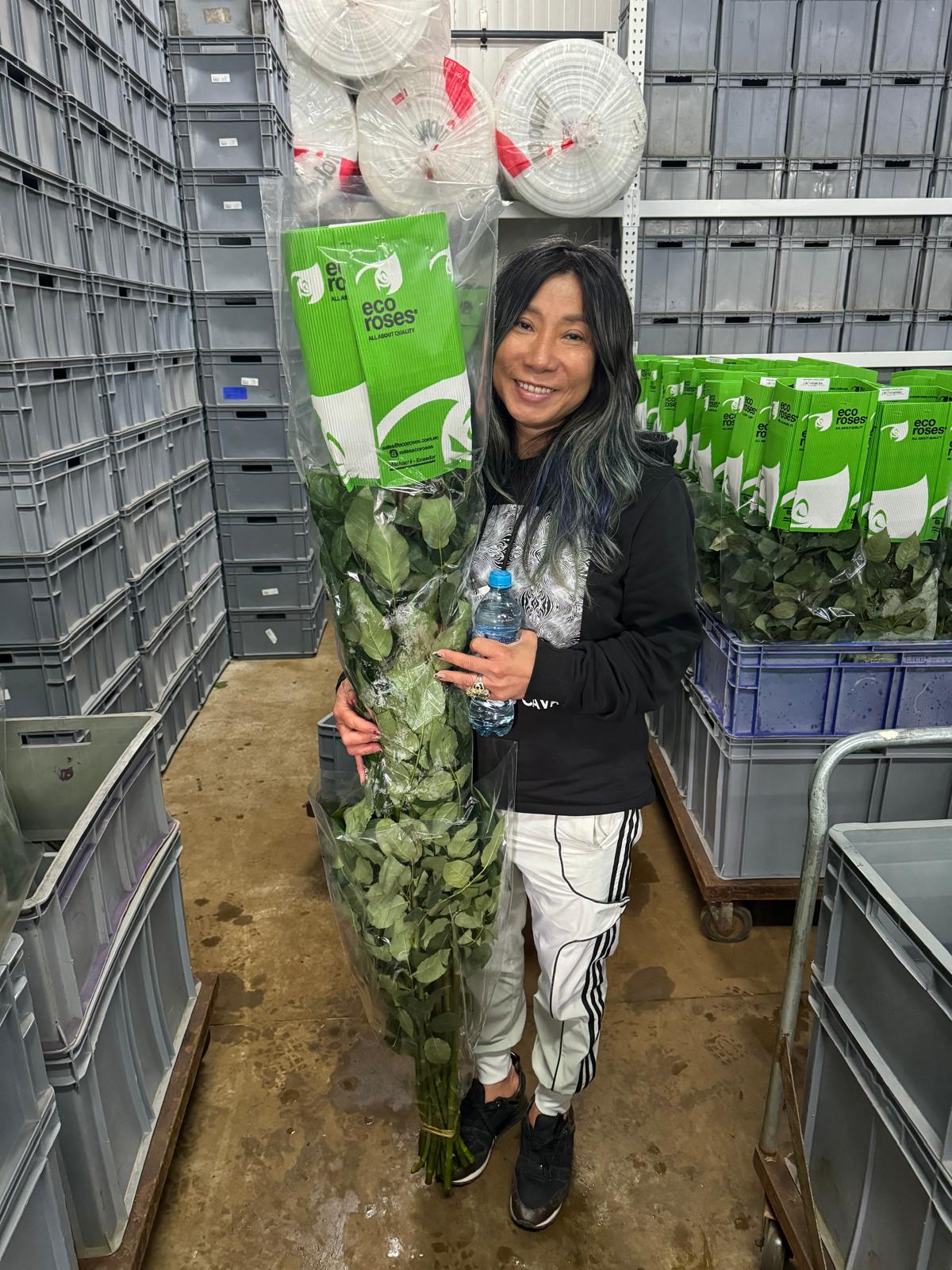
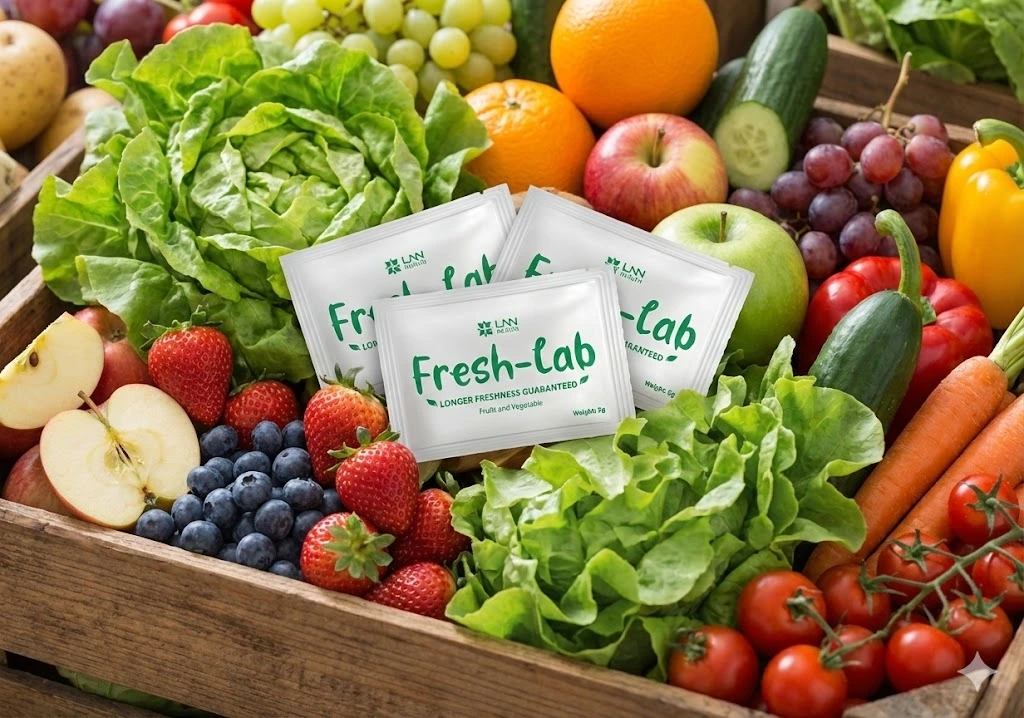
The roses were placed in a standard shipping box with just one sachet per bunch—no special treatment, no additional preservatives, no complicated protocols.
From Bogotá, the roses flew to London, then onward to Nice. After several days in the French Riviera and a brief stop in Monaco, they completed their journey in Rome.
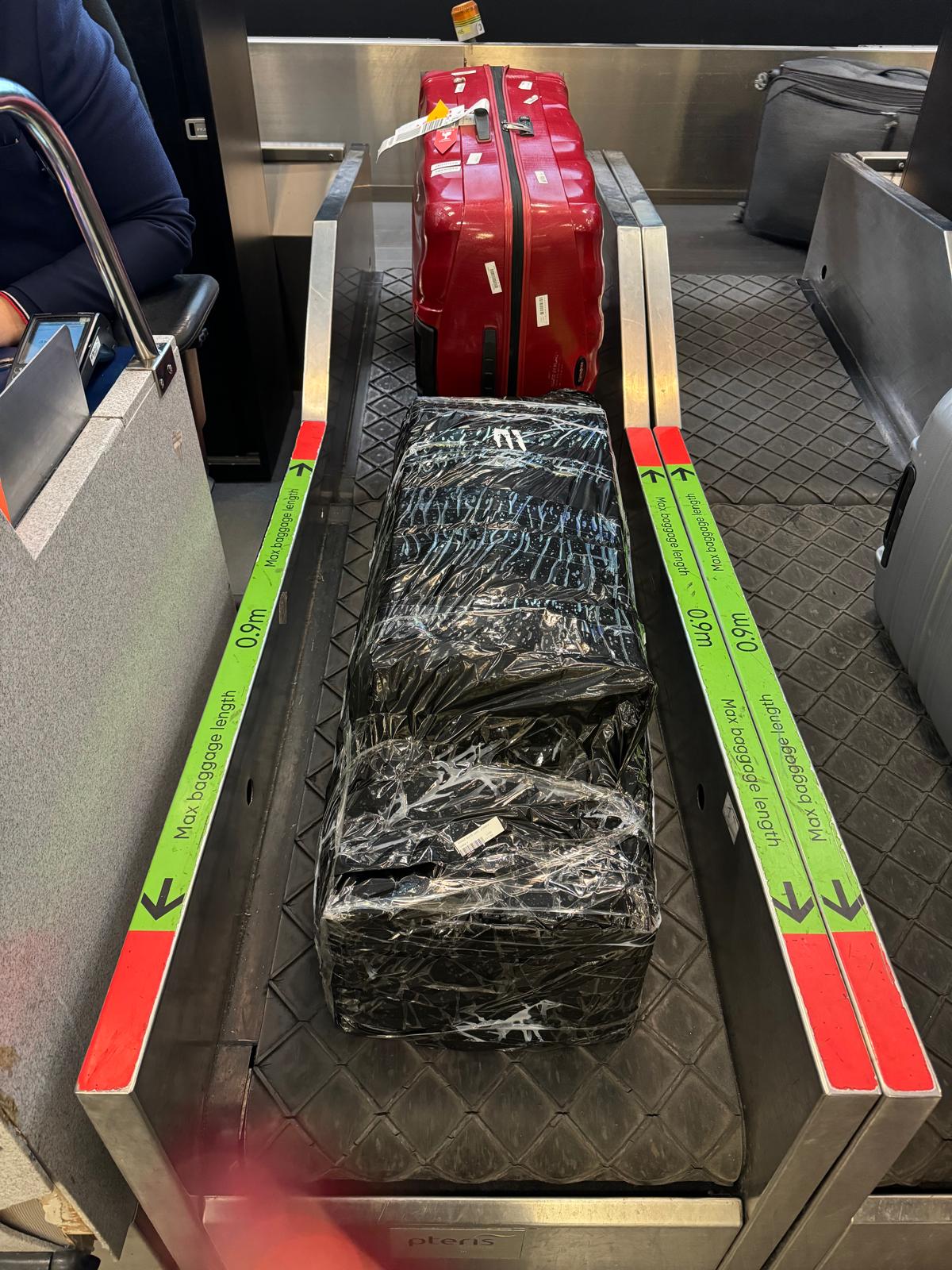
For eleven days, these roses experienced everything that typically causes flowers to wilt and lose their commercial value: varying temperatures, multiple countries, different handling conditions. They simply sat in their box, traveling like any other shipment.
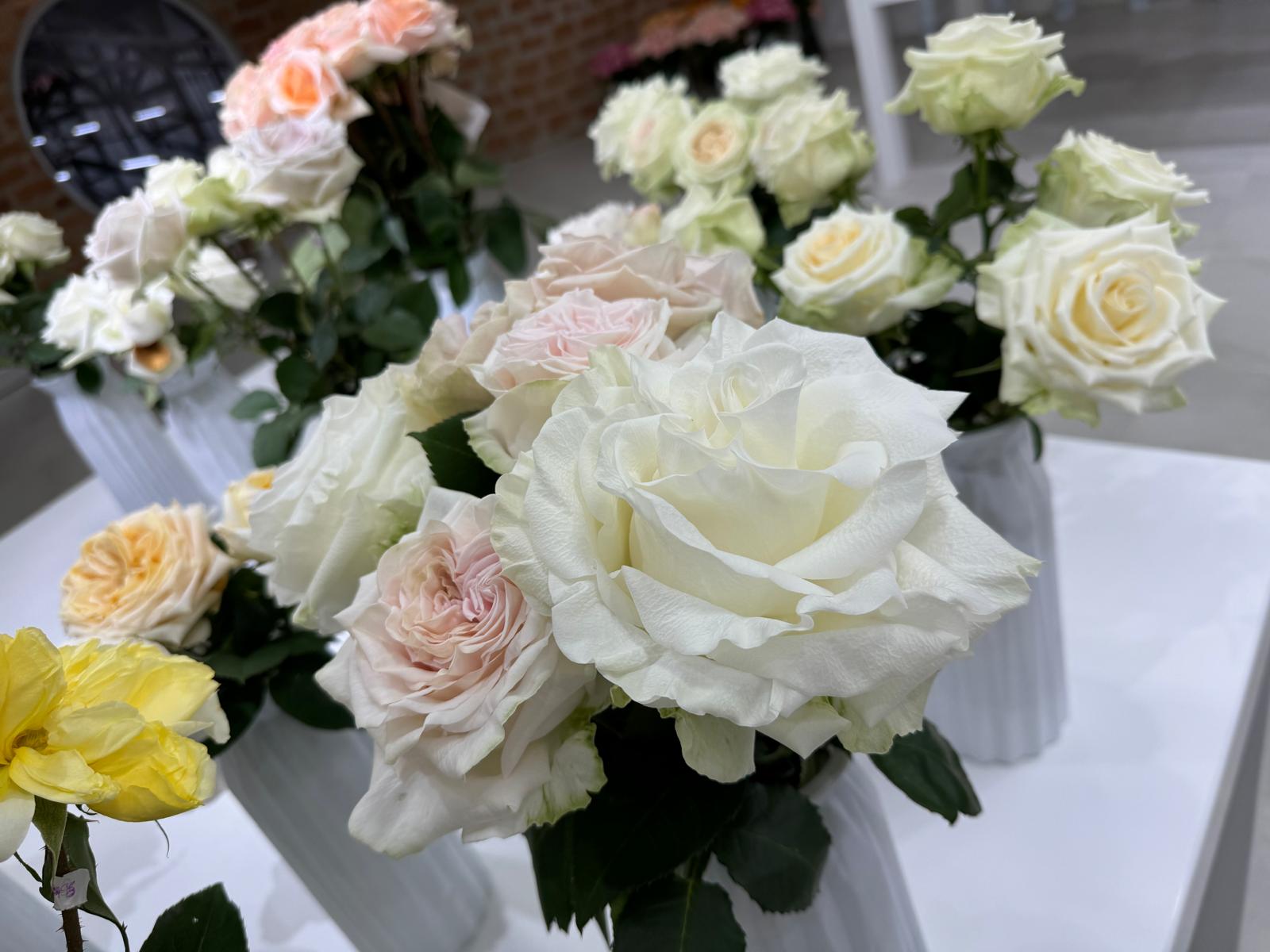
When the box was opened after eleven and a half days, the result was remarkable. The flowers looked as though they had just been cut from the garden—petals firm, colors vibrant, stems strong.
The Challenge Facing Global Flower Exports
The global flower trade is a race against time. Cut flowers begin deteriorating the moment they're harvested, and the journey from farm to florist can take a week or more. Ecuador and Colombia produce some of the world's most beautiful and expensive roses, but getting them to market in pristine condition remains a persistent challenge.
To combat deterioration, the industry has long relied on chemical treatments—preservatives, growth inhibitors, and other interventions designed to slow the aging process. These treatments work, to a point, but they come with significant trade-offs.
Some chemical preservatives prevent flowers from opening properly once they reach their destination, leaving customers with buds that never bloom. Buyers in several markets have reported purchasing imported roses treated with chemicals that rendered them unable to open naturally—a disappointing outcome for high-value purchases.
A Natural Alternative to Chemical Preservation
The FreshLab approach represents a departure from conventional methods: small sachets that create a protective microenvironment around flowers, naturally extending their life without chemicals or complex protocols. The system requires just one sachet per bunch, no special training, and produces no side effects that compromise the final product.
This simplicity addresses a critical need in an industry where margins are thin and logistics are complex. Solutions that add steps, require specialized training, or demand special handling often fail despite their technical merit. FreshLab's technology integrates seamlessly into existing workflows while delivering measurable results.
Industry Interest in Natural Preservation Technology
The flower industry has responded to the eleven-day test results with strong interest. Companies that ship flowers from Colombia and Ecuador to Amsterdam—the heart of Europe's flower distribution network—have expressed interest in applying the technology. From Amsterdam, flowers are redistributed across Europe and beyond, making preservation during the initial long-haul journey critical.
For exporters in Ecuador, Kenya, Ethiopia, and other major flower-producing regions, even modest improvements in post-harvest freshness translate to meaningful reductions in waste and stronger market positioning. The ability to maintain flower quality without chemical treatments that inhibit blooming represents a shift in industry practice.
Proven Performance in Real-World Conditions
The eleven-day test demonstrated that FreshLab's technology performs under the unpredictability of actual commercial logistics—not just the controlled conditions of laboratory testing. Maintaining flower freshness through varying temperatures, the recycled air of cargo holds, and the inevitable delays of international shipping presents a more rigorous test than any controlled environment.
The roses weren't treated with chemicals, subjected to special protocols, or handled differently than conventional shipments. The only variable was the presence of one small sachet per bunch.
Natural Preservation That Works With Nature
When those roses arrived in Rome after eleven days—still garden-fresh, still commercially viable, still capable of opening naturally—they demonstrated what becomes possible when preservation technology works with natural processes rather than against them.
The eleven-day journey from Ecuador provided the proof.